











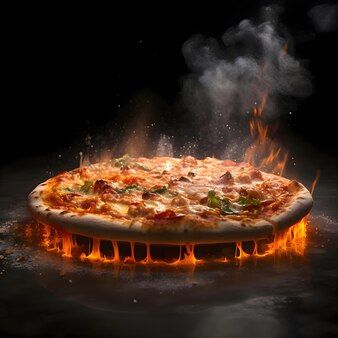
From Oven to Table: Why Restaurant Pizza Tastes Better
The Science of Crust and Char: Why Restaurant Pizza Reigns Supreme
There is a universal truth acknowledged by home cooks everywhere: no matter how high you crank your kitchen oven, that frozen disc or homemade dough never quite captures the magic of a professional pizzeria. This isn’t just a matter of nostalgia or the atmosphere of a bistro; it is a fundamental marriage of thermodynamics, specialized equipment, and culinary chemistry. When we step from the home kitchen to the restaurant floor, we are moving from a world of convection to a world of intense, radiant heat.
The primary differentiator is the oven itself. A standard domestic oven usually tops out at 500°F (260°C). In contrast, a professional wood-fired or deck oven screams at temperatures between 700°F and 900°F. At these extreme heats, a transformation known https://bigmanpizza.com/ as the Maillard reaction happens almost instantaneously. This chemical reaction between amino acids and reducing sugars creates that signature leopard-spotting on the crust—bitter, charred bubbles that provide a complex counterpoint to the sweet acidity of the tomato sauce. In a home oven, the dough dries out before it can properly char, resulting in a texture more akin to a cracker than a cloud.
Furthermore, the “floor” of a restaurant oven—usually made of thick cordierite stone or refractory brick—possesses immense thermal mass. When a pizza hits that surface, it experiences an immediate “oven spring.” The moisture in the dough turns to steam instantly, puffing up the edges (the cornicione) into a light, airy structure. Home ovens lack this intense conductive heat transfer, often leaving the bottom of the crust pale and soggy under the weight of the toppings.
Beyond the heat, there is the matter of hydration and fermentation. Professional pizzaiolos often use high-hydration doughs that have cold-fermented for 48 to 72 hours. This slow process allows enzymes to break down starches into simpler sugars, deepening the flavor profile and making the dough easier to digest. Most home cooks lack the planning or the high-protein “00” flour required to maintain structural integrity over such a long period.
Finally, the logistics of the restaurant kitchen ensure ingredient freshness that is hard to replicate. Professional kitchens move through gallons of San Marzano tomatoes and pounds of fresh mozzarella daily. This high turnover means the oils in the cheese haven’t oxidized, and the herbs are still vibrant. When you combine these premium, fresh components with the violent, transformative heat of a stone oven, the result is a culinary synergy that the home kitchen simply wasn’t designed to match. Restaurant pizza doesn’t just taste better because someone else made it; it tastes better because it is a product of engineered heat and time-honored chemistry.